CALL US NOW
 EMAIL US NOW

Riverside Dog Bite Attorneys Fighting for Injured Victims
A dog bite is not treated like an ordinary premises injury under California law. Instead of asking whether the owner was careless, the law asks a narrower question: did the dog bite you while you were somewhere you were legally allowed to be? If the answer is yes, the owner is liable, regardless of whether the dog had ever bitten anyone before.
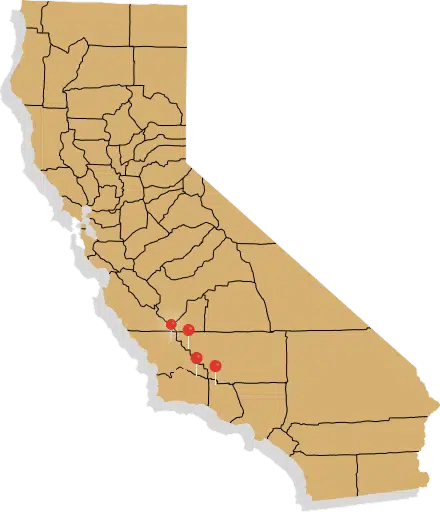
Our dog bite attorneys at The Accident Network Law Group represent victims in Riverside, Costa Mesa, Rancho Cucamonga, Apple Valley, Bakersfield, Victorville, and throughout Southern California. Attorney Damoun A. Yazdi brings more than 12 years of personal injury experience, along with his background as a former law clerk at the Los Angeles County District Attorney’s Office, to every dog bite claim we handle.
Most dog bite lawsuits must be filed within two years of the bite under California Code of Civil Procedure Section 335.1. Contact us today for a free consultation. Se habla espanol.
California’s Strict Liability Dog Bite Statute (Civil Code Section 3342)
California Civil Code Section 3342 makes a dog’s owner liable for the damages a bite causes to anyone bitten while in a public place or lawfully in a private place, including the owner’s own property. Unlike states that follow a one-bite rule, California owners are liable for a first bite even if the dog had never shown aggression before and the owner had no reason to suspect it was dangerous.
You do not need to prove the owner knew the dog was dangerous. You need only show that you were bitten, that you were lawfully present where the bite occurred, and that the defendant owned the dog. This is a meaningfully lower burden than a standard premises liability claim against a property owner, which still requires proving the owner was negligent; strict liability removes that requirement entirely for a dog bite.
People on public streets, sidewalks, and in parks, along with guests, postal workers, and delivery drivers lawfully on private property, are protected under Section 3342. The statute has a narrow carve-out for police and military dogs performing official duties under a written agency policy, and California courts also recognize an assumption-of-risk defense for veterinarians, veterinary staff, and professional dog handlers who are bitten in the course of treating or caring for the animal, since that risk is inherent to the job they were hired to do.
Liability When the Dog’s Owner Cannot Fully Compensate You
When a dog’s owner has no significant assets or insurance, a renter’s or homeowner’s policy is not the only possible source of recovery. Under California case law, a residential landlord can be held liable for a tenant’s dog bite if the landlord had actual knowledge of the dog’s dangerous behavior and had the ability to have the dog removed but failed to act.
Commercial landlords face a somewhat lower bar. Because commercial property owners have a duty to reasonably inspect their premises, a landlord who knew or should have known a dangerous dog was regularly kept on the property, such as a guard dog at a leased business, can be held liable even without proof of actual knowledge of a prior bite. We investigate every potential defendant, including property owners and their insurers, in cases where the dog owner alone cannot cover the loss.
The Physical and Psychological Toll of a Dog Bite
The combination of puncture, tearing, and crushing force in a dog bite causes damage well beyond what the wound looks like on the surface.
Puncture wounds and lacerations from a dog’s teeth carry bacteria deep into tissue, creating a real infection risk, and facial or hand lacerations often require stitching, skin grafts, or reconstructive surgery.
Nerve damage from bites to the hands, face, or neck can cause permanent numbness, weakness, or loss of function. Facial bites in particular can leave lasting scars that require years of reconstructive procedures.
Infections are a serious concern because dog mouths carry bacteria including Pasteurella, Staphylococcus, and Streptococcus; a deep bite left untreated can progress to cellulitis or sepsis. Many victims, especially children, also develop lasting anxiety or post-traumatic stress after an attack, and California law recognizes that psychological harm as fully compensable.
What Compensation Can Dog Bite Victims Recover?
Economic damages include emergency room and hospital bills, surgery and wound care, reconstructive procedures and scar revision, physical therapy, lost wages during recovery, and diminished future earning capacity for serious permanent injuries.
Non-economic damages include pain and suffering, emotional distress and psychological trauma, loss of enjoyment of life, permanent disfigurement and scarring, and loss of consortium. California places no statutory cap on compensatory damages in a dog bite case.
When a dog owner acted with malice or oppression, such as deliberately provoking an already-known dangerous dog to attack, California Civil Code Section 3294 allows punitive damages in addition to compensatory recovery.
Steps to Take After a Dog Bite in California
- Seek medical attention right away, even for a bite that looks minor; infection can set in quickly and deep tissue damage is not always visible
- Get the dog owner’s name, address, and contact information, and ask for proof of the dog’s current rabies vaccination
- Report the bite to animal control or the local police department so an official record exists
- Photograph your injuries immediately and continue photographing as they heal to document scarring
- Collect contact information for anyone who witnessed the attack
- Do not accept a settlement offer without legal advice; dog bite injuries often worsen as infection develops or nerve damage becomes apparent
- Contact our firm promptly; California’s statute of limitations gives you two years from the date of the bite under CCP Section 335.1
Frequently Asked Questions About California Dog Bite Claims
How long do I have to file a dog bite claim? Two years from the date of the bite under California Code of Civil Procedure Section 335.1. For minors, Code of Civil Procedure Section 352 pauses that clock until the child turns 18, at which point the two-year period begins to run.
What if I was on private property when I was bitten? If you were lawfully on private property as a guest, invited visitor, mail carrier, or delivery driver, you are protected under California Civil Code Section 3342.
What if the dog’s owner has no insurance? We investigate all potential sources of recovery, including renter’s insurance policies and landlord liability where the property owner knew of a dangerous dog and failed to act.
My child was bitten. What are their rights? Children have the same rights to compensation as adults under California’s dog bite statute, and a parent can bring a claim on the child’s behalf while the statute of limitations is tolled.
How The Accident Network Law Group Builds a Dog Bite Case
Because a dog bite claim does not require proving the owner was negligent, our work centers on documenting the bite itself, the location, and the full extent of the injury, rather than reconstructing how a hazard was created, as we would in an ordinary premises liability case.
- We confirm the location of the bite and your legal right to be there, the two facts a strict liability claim actually turns on
- We secure animal control reports, medical records, and photographs before evidence disappears
- We identify every insurance policy that may respond, including landlord coverage where the owner alone cannot pay
- We handle every conversation with the insurance company so you are not pressured into a quick, low settlement
- Representation is provided on a contingency basis; you owe nothing unless we recover compensation for you
If a dog bite has left you or a family member injured, contact The Accident Network Law Group for a free consultation. Se habla espanol.