CALL US NOW
 EMAIL US NOW

Rideshare Accident Lawyers in Riverside Helping You Recover Damages
An Uber or Lyft crash is rarely a straightforward insurance claim. The driver is classified as an independent contractor rather than a company employee, a large corporate insurer sits behind the claim, and the coverage available depends on exactly what the app showed at the moment of impact. Building that claim correctly, and building it against the right defendant, is what our rideshare accident representation is built around.
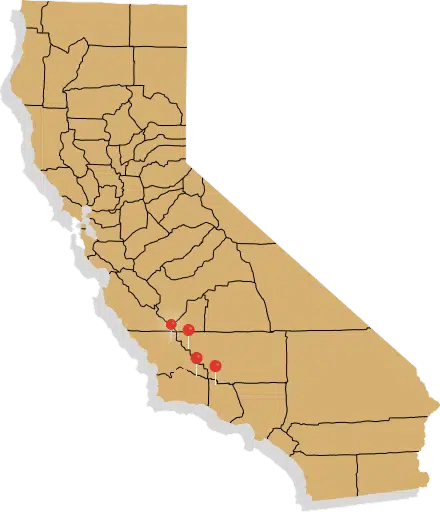
At The Accident Network Law Group, our rideshare accident attorneys represent injured passengers, pedestrians, cyclists, and other drivers in Riverside, Costa Mesa, Rancho Cucamonga, Apple Valley, Victorville, and throughout Southern California. Attorney Damoun A. Yazdi brings 12plus years of personal injury experience to building rideshare claims against major corporate insurance programs, on a contingency basis so you owe nothing unless we recover for you.
Most rideshare injury lawsuits must be filed within two years of the crash under California Code of Civil Procedure Section 335.1. Contact us for a free consultation. Se habla espanol.
Why a Rideshare Claim Is Not Like an Ordinary Car Accident Claim
In 2024 the California Supreme Court upheld Proposition 22 in Castellanos v. State of California, confirming that app-based rideshare drivers who meet its conditions remain independent contractors rather than employees. That single fact changes claim strategy from the outset: an injured person generally cannot rely on the simple employer-liability theory that applies when a company employee causes a crash on the job.
Instead, a well-built rideshare claim pursues the driver’s own negligence, the statutory insurance coverage the Transportation Network Company must provide during an active trip, and, where the facts support it, a direct claim against Uber or Lyft for negligent hiring or negligent retention if the company’s own screening or monitoring failed to catch a disqualifying driving record. Our attorneys evaluate all three angles in every case rather than assuming the claim begins and ends with the driver’s personal policy.
Who Can Bring a Claim After an Uber or Lyft Crash
Passengers injured while riding in a rideshare vehicle can pursue a claim against the at-fault driver, backed by the substantial coverage Transportation Network Companies must carry once a ride is underway. Other drivers, cyclists, and pedestrians struck by a rideshare vehicle have a claim against the rideshare driver handled much like any other vehicle collision, with the applicable coverage determined by the driver’s app status at the moment of the crash.
Rideshare drivers themselves who are hurt by another negligent motorist can typically pursue an uninsured or underinsured motorist claim through the rideshare company’s policy while actively working. Identifying every available policy, rather than accepting the first one an adjuster mentions, is often the difference between a partial recovery and a full one.
The Coverage Tier That Applies Depends on the Driver’s App Status
California Public Utilities Code Section 5433 sets tiered insurance requirements for Transportation Network Companies that scale up as a trip progresses, from a lower coverage floor while a driver is logged in and waiting for a match to substantially higher coverage once a ride has been accepted and a passenger is in the vehicle. Because the difference between tiers is significant, insurers frequently dispute exactly which period applied when your crash occurred. Trip logs, app status records, and GPS data settle that dispute, and preserving them before they age out of the platform’s retention window is one of the first steps we take in every rideshare case.
Common Causes of Rideshare Accidents in Southern California
Distracted driving is one of the most frequent causes, with rideshare drivers managing the navigation app, monitoring trip requests, or reading passenger messages while the vehicle is in motion. Dangerous pickup and drop-off maneuvers, including sudden stops without signaling, stopping in a live travel lane, or abrupt U-turns to reach a pickup pin, cause a distinct pattern of crashes unique to app-based driving.
Driver fatigue affects rideshare drivers who frequently work long stretches across multiple platforms back to back, and rear-end collisions often result from a driver braking abruptly to reach a pickup location or following another vehicle too closely while watching the app rather than the road ahead.
Unfamiliarity with a passenger’s requested route, especially in unfamiliar neighborhoods late at night, can also lead a driver to make an unsafe last-second lane change or turn while trying to follow app-based turn-by-turn directions rather than reading the road ahead.
Building Your Rideshare Claim: Evidence and First Steps
- Call 911 and get emergency medical care if needed, and make sure a report is taken at the scene
- Screenshot the app immediately to preserve proof of the active trip, including the driver’s name, vehicle information, and trip identification number before the record disappears from your ride history
- Photograph the vehicles, the scene, and your visible injuries, and collect contact information from any witnesses
- Get medical attention promptly even if you feel able to continue your day, since adrenaline commonly delays the onset of pain
- Decline any recorded statement to an insurance representative, including one calling on behalf of Uber or Lyft, without first speaking to an attorney
- Contact our office before responding to Uber or Lyft’s claims department directly; these companies staff experienced adjusters and in-house legal teams who begin working the file immediately
How We Handle Claims Against Uber and Lyft’s Insurance Programs
Rideshare companies process injury claims through large, centralized claims operations built for speed and consistency, not for the specifics of your recovery. Expect an early contact requesting a statement and a settlement figure calculated from the company’s own exposure estimate rather than your actual medical needs, especially before your treatment is complete.
Our attorneys identify which coverage tier applies to your crash, pursue the driver’s negligence and any viable claim against the Transportation Network Company itself, and handle every conversation with the rideshare company’s representatives and their insurer so you are not negotiating your own claim while you recover. When a fair offer is not on the table, we file suit.
Contact The Accident Network Law Group for Your Rideshare Case
Our firm has represented injured passengers, drivers, and pedestrians across Riverside County, Orange County, and San Bernardino County, and we understand the app data, corporate structure, and tiered coverage that make rideshare claims different from an ordinary crash case.
- A free, no-obligation review of your trip details and crash report
- Prompt preservation demands sent to Uber or Lyft before app and trip data ages out
- Direct access to Attorney Yazdi throughout your case, not a rotating claims desk
- Bilingual service, 24/7 availability, and no fee unless we recover compensation for you
This content is for informational purposes only and does not constitute legal advice. The outcome of any case depends on its specific facts and circumstances. Past results do not guarantee future outcomes. Contact The Accident Network Law Group for advice about your individual situation.